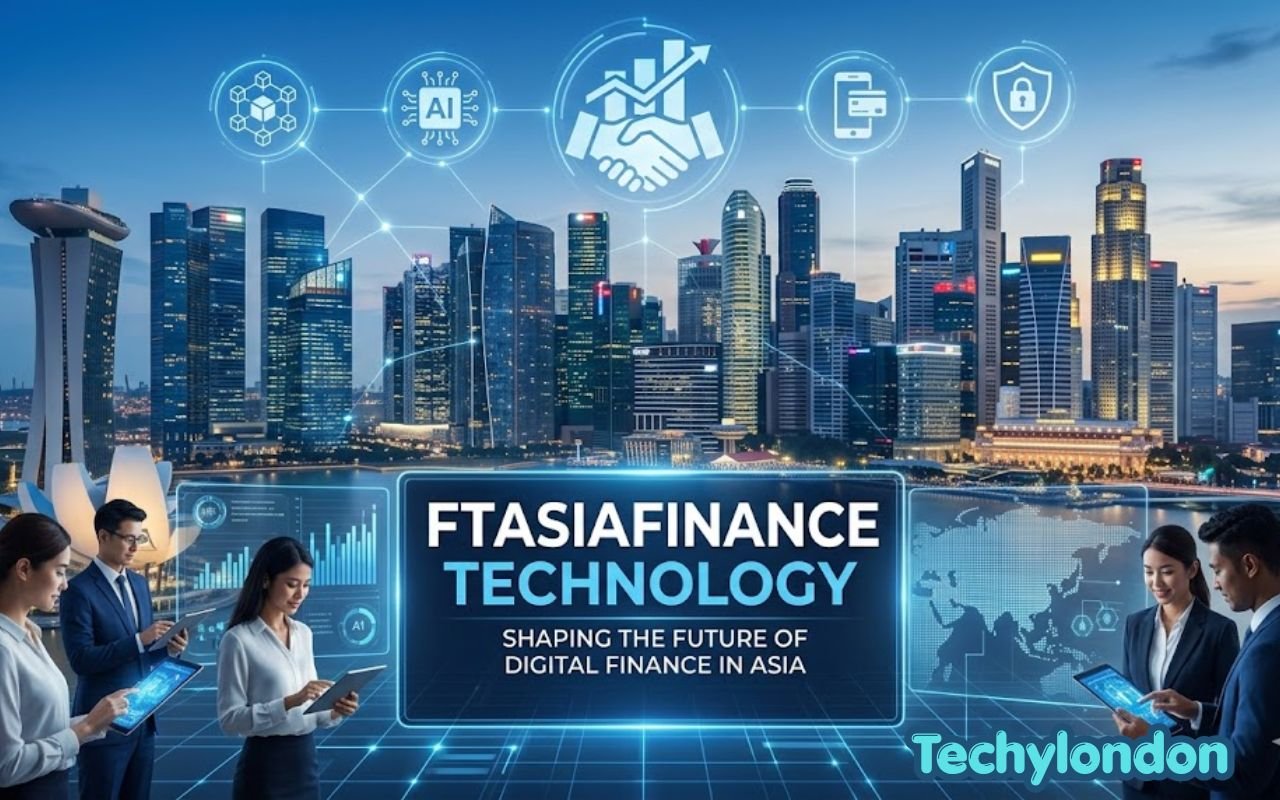
FTAsiaFinance technology has emerged as an important topic in the modern financial landscape, reflecting the rapid evolution of digital finance, financial technology solutions, and innovative banking systems across Asia. As businesses, investors, and consumers increasingly rely on digital platforms for financial services, the role of FTAsiaFinance technology continues to expand. It represents the combination of advanced technological solutions with financial operations, helping organisations improve efficiency, security, customer experience, and overall business performance.
The financial sector has experienced significant changes during the past decade. Traditional banking systems are no longer sufficient to meet the growing expectations of modern consumers who demand instant access to financial services. Digital transformation has become essential, and financial institutions are investing heavily in technologies that can improve operations while maintaining security and regulatory compliance. Within this environment, FTAsiaFinance technology has become a driving force behind innovation.
The growing importance of financial technology in Asia cannot be ignored. The region is home to some of the world’s fastest-growing economies, a large digitally connected population, and a thriving technology ecosystem. These factors create ideal conditions for financial innovation. FTAsiaFinance technology reflects this transformation by bringing together digital banking, artificial intelligence, data analytics, blockchain solutions, cybersecurity frameworks, and cloud-based infrastructure to create a more efficient financial environment.
This article explores FTAsiaFinance technology in depth, examining its meaning, key components, benefits, challenges, applications, future trends, and its influence on businesses and consumers. By understanding the role of FTAsiaFinance technology, organisations can better prepare for the future of digital finance and gain a competitive advantage in an increasingly technology-driven world.
Understanding FTAsiaFinance Technology
What Is FTAsiaFinance Technology?
FTAsiaFinance technology refers to the technological innovations, digital systems, and financial solutions that support modern financial services throughout Asia and global markets connected to the region. It encompasses a broad range of tools and platforms designed to improve financial transactions, streamline business processes, enhance customer experiences, and strengthen security measures.
The concept combines traditional financial expertise with modern digital capabilities. Financial institutions, investment firms, payment providers, insurance companies, and fintech startups use these technologies to deliver faster, more reliable, and more accessible services.
FTAsiaFinance technology focuses on addressing common challenges in financial services, including transaction delays, operational inefficiencies, data management complexities, fraud prevention, and customer engagement issues. Through digital innovation, organisations can provide seamless services while reducing costs and improving performance.
The Evolution of Financial Technology in Asia
Asia has become one of the leading regions for financial technology adoption. Several factors have contributed to this growth, including widespread smartphone usage, expanding internet access, government support for digital transformation, and strong consumer demand for convenient financial services.
In the past, financial transactions relied heavily on physical branches, paper-based documentation, and manual processing. These traditional methods often resulted in delays and inefficiencies. The introduction of digital platforms changed the financial landscape by enabling online banking, mobile payments, and electronic transactions.
As technology advanced, financial institutions began integrating artificial intelligence, machine learning, blockchain, and cloud computing into their operations. These innovations improved service quality, enhanced security, and allowed organisations to process vast amounts of data more effectively.
FTAsiaFinance technology represents the latest stage of this evolution, combining multiple technological advancements into comprehensive financial ecosystems capable of supporting modern business requirements.
Core Components of FTAsiaFinance Technology
Artificial Intelligence and Machine Learning
Artificial intelligence plays a central role in FTAsiaFinance technology. Financial organisations use AI-powered systems to analyse large datasets, identify patterns, and generate valuable insights.
Machine learning algorithms continuously improve their performance by learning from historical data. This capability allows financial institutions to make more accurate predictions, detect fraudulent activities, and personalise customer experiences.
AI-powered chatbots provide customer support around the clock, reducing operational costs while improving response times. Automated financial advisors help customers manage investments and make informed decisions based on their financial goals.
The integration of artificial intelligence enables organisations to improve efficiency while delivering higher levels of customer satisfaction.
Big Data Analytics
Modern financial institutions generate enormous amounts of data every day. FTAsiaFinance technology uses advanced analytics tools to transform this data into actionable information.
Big data analytics helps organisations understand customer behaviour, identify market trends, assess risks, and optimise operations. Financial companies can use these insights to develop targeted products and services that meet evolving customer needs.
Data-driven decision-making has become essential in today’s competitive financial environment. Organisations that effectively leverage analytics can respond more quickly to market changes and gain a significant advantage over competitors.
Blockchain Technology
Blockchain technology has transformed the way financial transactions are recorded and verified. It provides a secure, transparent, and decentralised system for managing financial information.
One of the primary advantages of blockchain is its ability to reduce fraud and improve transaction security. Each transaction is recorded in a permanent digital ledger, making it extremely difficult to alter or manipulate information.
FTAsiaFinance technology often incorporates blockchain solutions for payments, settlements, identity verification, and smart contracts. These applications help improve efficiency while reducing operational risks.
As blockchain adoption continues to increase, its role within financial ecosystems is expected to become even more significant.
Cloud Computing
Cloud computing serves as a foundation for many FTAsiaFinance technology solutions. It allows organisations to store, process, and access data through remote servers rather than relying solely on local infrastructure.
Cloud-based systems provide flexibility, scalability, and cost efficiency. Financial institutions can rapidly expand their operations without investing heavily in physical hardware.
The cloud also supports collaboration, enabling employees and customers to access services from virtually any location. This capability has become particularly important in an increasingly digital and remote working environment.
The Impact of FTAsiaFinance Technology on Banking

Digital Banking Transformation
Traditional banking has undergone a major transformation through the adoption of FTAsiaFinance technology. Customers can now access banking services through mobile applications and online platforms without visiting physical branches.
Digital banking offers convenience, speed, and accessibility. Users can transfer funds, pay bills, monitor accounts, and apply for financial products from their smartphones or computers.
Financial institutions benefit from reduced operational costs and improved efficiency. By automating routine processes, banks can focus more resources on customer service and strategic growth initiatives.
Enhanced Customer Experience
Customer expectations continue to evolve, and FTAsiaFinance technology helps organisations meet these demands. Personalised services, faster transactions, and seamless digital experiences have become standard requirements.
Advanced analytics enable financial institutions to understand customer preferences and provide customised recommendations. AI-driven platforms can anticipate customer needs and deliver relevant solutions in real time.
Improved user interfaces and streamlined processes make financial services easier to access and use, contributing to higher levels of customer satisfaction.
Improved Security Measures
Cybersecurity remains a top priority in the financial industry. FTAsiaFinance technology incorporates sophisticated security solutions designed to protect sensitive information and prevent unauthorised access.
Multi-factor authentication, biometric verification, encryption technologies, and real-time monitoring systems help safeguard customer data and financial assets.
As cyber threats continue to evolve, financial institutions must invest in advanced security frameworks to maintain trust and regulatory compliance.
FTAsiaFinance Technology and Financial Inclusion
Expanding Access to Financial Services
One of the most significant benefits of FTAsiaFinance technology is its ability to promote financial inclusion. Millions of people previously lacked access to traditional banking services due to geographical, economic, or infrastructural barriers.
Digital financial platforms make it possible for individuals to access banking services using mobile devices. This accessibility creates new opportunities for savings, investments, payments, and credit.
Financial inclusion contributes to economic development by enabling more people to participate in the formal financial system.
Supporting Small Businesses
Small and medium-sized enterprises play a crucial role in economic growth. FTAsiaFinance technology provides these businesses with access to financial tools that were once available only to larger organisations.
Digital payment systems, online lending platforms, automated accounting solutions, and data analytics tools help small businesses improve efficiency and expand operations.
By reducing barriers to financial services, technology empowers entrepreneurs and supports business growth across various industries.
Emerging Trends in FTAsiaFinance Technology
Open Banking
Open banking is becoming increasingly important within the financial sector. It allows customers to share financial data securely with authorised third-party providers.
This approach encourages innovation by enabling the development of new products and services tailored to customer needs. Open banking also promotes competition and enhances consumer choice.
FTAsiaFinance technology supports open banking through secure application programming interfaces and robust data management systems.
Embedded Finance
Embedded finance integrates financial services directly into non-financial platforms. Customers can access payment processing, lending, insurance, and investment services within applications they already use.
This trend creates more convenient user experiences and expands access to financial products. Businesses benefit from new revenue opportunities while consumers enjoy seamless transactions.
Sustainable Financial Technology
Environmental, social, and governance considerations are becoming increasingly important in the financial sector. FTAsiaFinance technology supports sustainability initiatives through data-driven reporting, green investment platforms, and efficient resource management.
Financial institutions are using technology to assess environmental risks, track sustainability performance, and support responsible investment decisions.
Challenges Facing FTAsiaFinance Technology
Regulatory Compliance
Financial regulations continue to evolve as technology advances. Organisations must navigate complex compliance requirements while implementing innovative solutions.
Maintaining compliance requires ongoing investment in governance frameworks, risk management systems, and regulatory expertise.
Cybersecurity Risks
As digital adoption increases, cyber threats become more sophisticated. Financial institutions must remain vigilant and continuously update security measures to protect sensitive information.
Strong cybersecurity strategies are essential for maintaining customer trust and preventing financial losses.
Technology Integration
Integrating new technologies with existing systems can be challenging. Many financial organisations operate legacy infrastructure that may not easily support modern digital solutions.
Successful implementation requires careful planning, investment, and collaboration between technology providers and financial institutions.
The Future of FTAsiaFinance Technology
Increased Automation
Automation will continue to reshape financial services. Routine tasks such as transaction processing, customer support, and compliance monitoring will become increasingly automated.
This shift will improve efficiency while allowing employees to focus on higher-value activities.
Greater Use of Artificial Intelligence
Artificial intelligence is expected to play an even larger role in financial decision-making. Advanced AI systems will provide deeper insights, improve risk assessment, and support personalised customer experiences.
As technology evolves, organisations will gain access to more powerful analytical capabilities.
Expansion of Digital Ecosystems
The future of FTAsiaFinance technology involves the creation of interconnected financial ecosystems. Banks, fintech companies, payment providers, insurers, and technology firms will collaborate more closely to deliver comprehensive services.
These ecosystems will offer seamless experiences across multiple financial products and platforms.
Conclusion
FTAsiaFinance technology represents a significant force shaping the future of financial services. By combining advanced technologies such as artificial intelligence, big data analytics, blockchain, cloud computing, and cybersecurity solutions, it enables organisations to improve efficiency, enhance customer experiences, and expand access to financial services.
The rapid growth of digital finance across Asia highlights the importance of innovation in meeting the evolving needs of businesses and consumers. From digital banking and financial inclusion to open banking and sustainable finance, FTAsiaFinance technology continues to drive meaningful transformation throughout the industry.
While challenges such as regulatory compliance, cybersecurity risks, and technology integration remain important considerations, the long-term opportunities far outweigh these obstacles. Organisations that embrace innovation and invest in modern financial technologies will be better positioned to succeed in an increasingly competitive marketplace.
As the financial sector continues to evolve, FTAsiaFinance technology will remain at the centre of digital transformation, creating new possibilities for growth, efficiency, and customer value. Its influence is expected to expand significantly in the coming years, making it an essential component of the future financial ecosystem in the UK, Asia, and global markets alike.
You may also read: What Is MSTStore Net?