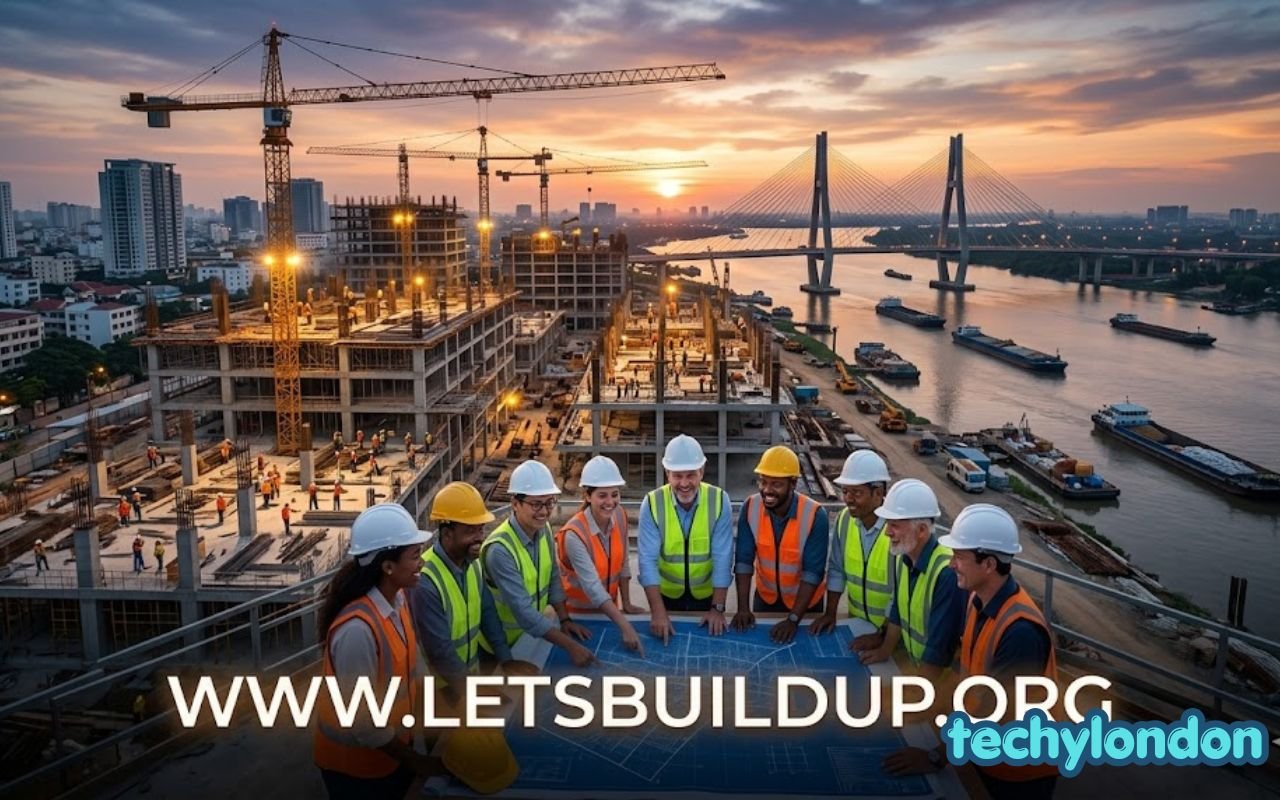
The growing interest in community-focused organisations has led many people to search for resources that promote positive social change, educational advancement and local development. Among the platforms attracting attention is www.letsbuildup org, a name increasingly associated with community empowerment, learning opportunities and initiatives designed to improve lives.
Across the United Kingdom, communities continue to face challenges ranging from educational inequality and social exclusion to economic uncertainty and limited access to development opportunities. Organisations and platforms that focus on helping individuals and communities thrive play a crucial role in addressing these issues. As a result, many people are exploring resources such as www.letsbuildup org to understand how community-driven programmes can create meaningful and lasting change.
This article examines the purpose, significance and potential impact of www.letsbuildup org. It explores how community development initiatives work, why education remains central to social progress, and how collaborative efforts can contribute to stronger and more resilient communities throughout the UK and beyond.
Understanding the Purpose of www.letsbuildup org
Community development has become one of the most important areas of social investment in recent decades. Whether through educational support, skills development, youth engagement or neighbourhood improvement projects, organisations dedicated to social progress help bridge gaps that often exist within society.
www.letsbuildup org appears to reflect a broader commitment to creating opportunities for individuals and communities. The concept of “building up” communities suggests a focus on strengthening social connections, increasing access to resources and encouraging personal growth. Such goals align closely with modern approaches to community development that prioritise empowerment rather than dependency.
In the UK, local councils, charities and community organisations increasingly work together to tackle social challenges. Platforms that encourage collaboration, learning and participation contribute to these efforts by helping people access information, support networks and practical opportunities. This approach recognises that sustainable development is most effective when communities are actively involved in shaping their own future.
The value of organisations focused on community improvement extends beyond immediate assistance. They often create long-term benefits by improving educational outcomes, supporting employability and encouraging civic participation. These outcomes help communities become more resilient and better equipped to respond to changing social and economic conditions.
The Importance of Community Development in Modern Society
Strong communities provide the foundation for social wellbeing, economic growth and improved quality of life. Community development focuses on empowering individuals and groups to identify local challenges and implement solutions that benefit everyone.
Across many parts of the UK, communities have experienced significant changes due to economic restructuring, technological advancement and demographic shifts. While these changes can create opportunities, they can also lead to social fragmentation and unequal access to resources. Community-focused initiatives help address these issues by fostering inclusion and encouraging participation.
One of the key principles of effective community development is collaboration. Successful projects often involve residents, schools, local authorities, businesses and voluntary organisations working together towards shared objectives. This collective approach allows communities to draw upon diverse perspectives and resources while ensuring that solutions reflect local needs.
Community development also supports social cohesion. When people feel connected to their neighbourhoods and have opportunities to contribute positively, levels of trust and engagement often increase. This can lead to safer communities, stronger local networks and greater civic responsibility.
Furthermore, community initiatives frequently help individuals develop confidence, leadership skills and practical knowledge. These personal benefits contribute to wider social outcomes, creating a positive cycle of growth and empowerment that extends throughout the community.
Education as a Cornerstone of Sustainable Development
Expanding Access to Learning Opportunities
Education remains one of the most powerful tools for improving individual life chances and promoting social mobility. Organisations focused on development often place education at the centre of their activities because it provides people with the knowledge and skills needed to achieve their goals.
Access to educational resources can significantly influence employment prospects, financial stability and overall wellbeing. In the UK, efforts to improve educational attainment continue to be a major priority, particularly in areas where social and economic disadvantages affect outcomes.
Programmes that support learning outside traditional classroom environments can be especially valuable. Community workshops, mentoring schemes and skills-based training initiatives help individuals gain practical knowledge while building confidence and motivation.
Supporting Lifelong Learning
Modern economies require continuous learning and adaptation. As industries evolve and technology advances, people increasingly need opportunities to update their skills and expand their expertise.
Lifelong learning supports both personal and professional development. It enables individuals to remain competitive in the labour market while also encouraging intellectual growth and social engagement. Community organisations often play an important role by making learning opportunities accessible to people of all ages and backgrounds.
The promotion of lifelong learning also contributes to economic resilience. Communities with strong educational support networks are often better positioned to respond to changing employment demands and emerging opportunities.
Creating Pathways for Future Success
Educational initiatives are not solely about academic achievement. They also help individuals develop critical thinking, communication and problem-solving abilities. These skills are essential for navigating modern society and participating effectively in community life.
When educational support is combined with mentoring and practical experience, individuals gain a stronger foundation for future success. This holistic approach can improve confidence, increase aspirations and encourage long-term personal development.
Social Impact and Community Empowerment
Social impact refers to the positive changes that occur when programmes, projects or organisations successfully improve people’s lives. Community empowerment represents one of the most effective ways to generate meaningful social impact because it places individuals at the centre of the development process.
Empowered communities are better equipped to identify their own priorities and implement solutions that reflect local circumstances. Rather than relying exclusively on external assistance, they develop the capacity to address challenges independently while building stronger support networks.
Many successful community initiatives focus on encouraging participation and leadership. By involving local residents in decision-making processes, organisations can ensure that projects remain relevant and responsive to community needs. This approach often leads to higher levels of engagement and more sustainable outcomes.
Social impact can take many forms, including improved educational attainment, increased employment opportunities, enhanced mental wellbeing and stronger community relationships. Measuring these outcomes helps organisations understand the effectiveness of their programmes and identify opportunities for further improvement.
In the context of platforms such as www.letsbuildup org, social impact may involve creating resources, partnerships and opportunities that enable individuals to contribute positively to their communities. These efforts help build a culture of collaboration, responsibility and shared progress.
The Role of Youth Development Programmes
Young people represent the future of every community. Investing in youth development is therefore essential for long-term social and economic prosperity. Programmes designed to support young people often focus on education, leadership, personal development and career readiness.
Youth engagement initiatives provide safe and supportive environments where young individuals can develop confidence and discover their strengths. These experiences can have a lasting influence on personal growth and future achievement.
In many UK communities, youth programmes help address issues such as social isolation, educational disengagement and limited access to opportunities. By offering mentoring, skills training and community involvement activities, organisations can help young people build positive pathways towards adulthood.
Leadership development is another important component of youth-focused initiatives. Encouraging young people to take responsibility, work collaboratively and contribute to community projects helps develop valuable life skills. These experiences also strengthen civic engagement and foster a sense of belonging.
Furthermore, youth programmes often create opportunities for intergenerational collaboration. When young people work alongside experienced mentors and community leaders, they gain practical insights while contributing fresh perspectives and innovative ideas.
Building Stronger Communities Through Collaboration
Collaboration lies at the heart of successful community development. No single organisation can address every challenge facing modern society, which is why partnerships are essential for achieving meaningful outcomes.
Community organisations frequently collaborate with schools, businesses, charities and local authorities to maximise their impact. These partnerships enable stakeholders to share resources, expertise and networks while pursuing common goals.
In the UK, collaborative approaches have proven effective in addressing issues such as unemployment, educational inequality and social exclusion. By combining efforts, organisations can develop more comprehensive and sustainable solutions than they could achieve independently.
Technology has also transformed the way communities collaborate. Digital platforms make it easier to connect individuals, share information and coordinate activities across geographical boundaries. This increased connectivity allows organisations to reach wider audiences and engage more participants.
Effective collaboration requires trust, transparency and shared objectives. When these elements are present, partnerships can generate significant benefits for both individuals and communities. They also encourage innovation by bringing together diverse perspectives and experiences.
The emphasis on collective action aligns closely with the broader philosophy of community empowerment. By working together, communities can leverage their strengths and address challenges more effectively than isolated efforts would allow.
Skills Development and Economic Opportunity
Economic opportunity remains a key factor in community wellbeing. Access to employment, training and entrepreneurship support helps individuals achieve financial stability while contributing to local economic growth.
Skills development programmes play an important role in preparing people for the modern workforce. These initiatives often focus on practical competencies that employers value, including communication, digital literacy, teamwork and problem-solving.
Across the UK, employers increasingly seek candidates who possess both technical expertise and transferable skills. Community-based training programmes help bridge skills gaps while supporting workforce development and economic inclusion.
Entrepreneurship support is another valuable component of community development. Many organisations encourage innovation by providing aspiring business owners with guidance, mentoring and networking opportunities. Small businesses contribute significantly to local economies and often create additional employment opportunities within their communities.
Digital skills have become particularly important in today’s economy. From basic computer literacy to advanced technological competencies, digital knowledge is increasingly essential across a wide range of industries. Programmes that promote digital inclusion help ensure that individuals are not left behind as technology continues to evolve.
By investing in skills development, communities strengthen their economic resilience and create pathways towards long-term prosperity. These benefits extend beyond individual participants and contribute to wider social and economic progress.
Addressing Social Challenges Through Community Action
Modern communities face a variety of complex challenges that require coordinated responses. Issues such as poverty, inequality, social isolation and mental health concerns affect individuals and families throughout the UK.
Community action provides a practical and effective means of addressing these challenges. Local initiatives often possess a deeper understanding of community needs and can respond more quickly than larger institutions. This flexibility enables organisations to develop targeted solutions that reflect local circumstances.
Mental wellbeing has become an increasingly important focus within community development. Support networks, social activities and educational programmes can help reduce isolation while promoting emotional resilience. Strong community connections often play a crucial role in maintaining mental health and overall wellbeing.
Social inclusion is another significant priority. Ensuring that all individuals have opportunities to participate fully in community life helps create more equitable and cohesive societies. Inclusive programmes recognise diversity and seek to remove barriers that may prevent participation.
Environmental sustainability is also becoming more closely linked to community development efforts. Many organisations encourage responsible resource management, community gardening projects and environmental education initiatives. These activities promote long-term sustainability while strengthening local engagement.
Addressing social challenges requires persistence, innovation and collaboration. Community-focused organisations contribute valuable expertise and resources that help create positive change at both local and broader levels.
The Future of Community-Focused Platforms
As society continues to evolve, community-focused platforms are likely to play an increasingly important role in promoting social development and civic engagement. Digital technologies provide new opportunities for organisations to connect with individuals, deliver resources and coordinate initiatives more effectively.
The growing emphasis on social responsibility has also increased public interest in organisations that create positive impact. People increasingly seek opportunities to volunteer, support community projects and contribute to meaningful causes. Platforms that facilitate these activities help strengthen social connections and encourage active citizenship.
Data-driven approaches are becoming more common within community development. By analysing outcomes and measuring impact, organisations can identify effective strategies and allocate resources more efficiently. This evidence-based approach supports continuous improvement and enhances accountability.
The future will likely involve greater integration between online and offline engagement. Digital tools can expand access and participation, while face-to-face interaction remains essential for building trust and fostering strong relationships. Successful organisations will balance both approaches to maximise their effectiveness.
Community resilience will continue to be a critical priority as societies face economic, environmental and social challenges. Platforms dedicated to education, empowerment and collaboration can help communities adapt and thrive in an increasingly complex world.
As interest in initiatives such as www.letsbuildup org grows, the importance of accessible, inclusive and community-centred development models is likely to become even more apparent.
Conclusion
www.letsbuildup org represents the broader vision of community empowerment, educational advancement and positive social impact. In an era where communities face increasingly complex challenges, organisations and platforms dedicated to development play a vital role in creating opportunities, strengthening social connections and promoting long-term wellbeing.
Through a focus on education, youth engagement, skills development and collaborative action, community-centred initiatives help individuals realise their potential while contributing to stronger and more resilient societies. Their impact extends beyond immediate assistance, fostering sustainable growth that benefits future generations.
For communities across the United Kingdom and beyond, the principles associated with www.letsbuildup org highlight the value of participation, learning and collective responsibility. By supporting individuals and encouraging meaningful collaboration, such initiatives contribute to a future built on opportunity, inclusion and shared progress.
You may also read: Digital Finance Beyond Cryptocurrency