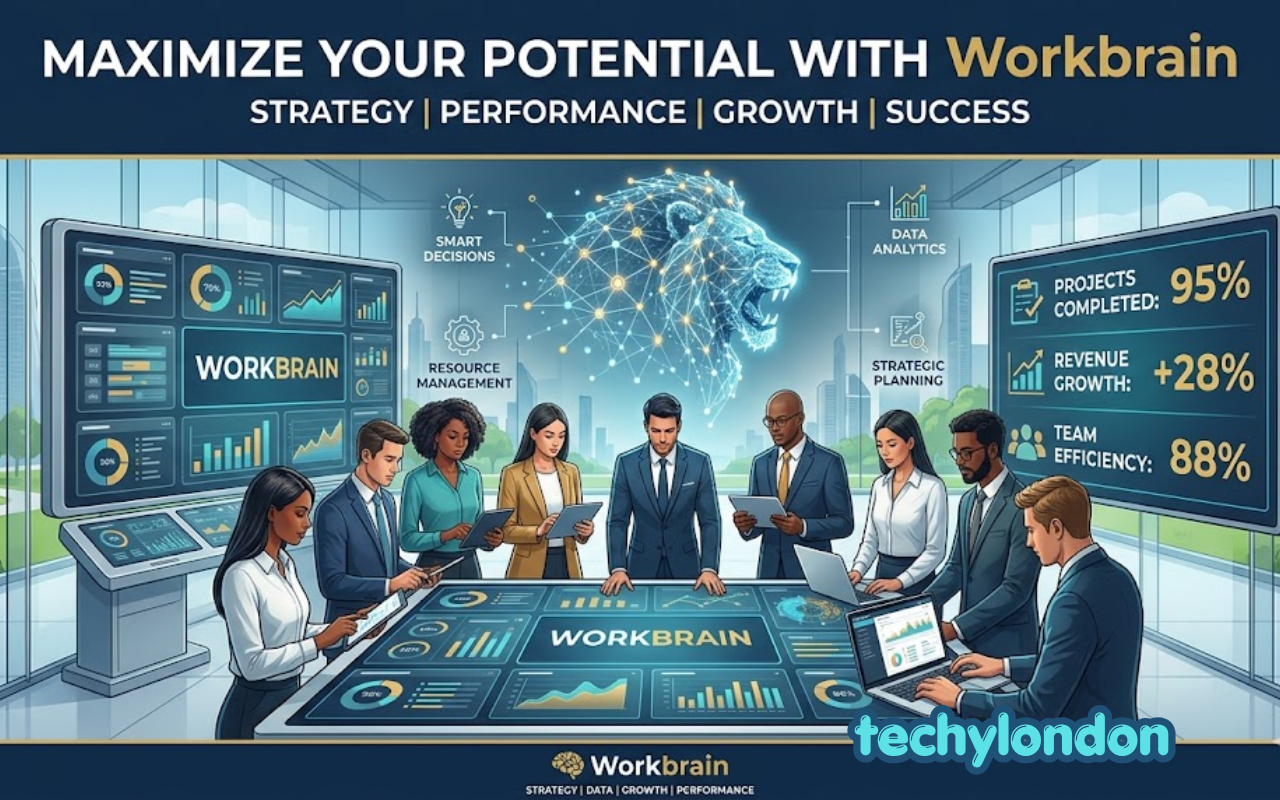
In today’s fast-moving business environment, organisations face increasing pressure to manage their workforce efficiently while maintaining productivity, compliance, and employee satisfaction. Businesses across retail, healthcare, manufacturing, hospitality, logistics, and many other sectors need reliable systems that help them organise staff schedules, track attendance, manage labour costs, and streamline workforce operations.
One solution that has gained significant attention in workforce management is Workbrain. Known for its comprehensive approach to employee scheduling, time tracking, labour forecasting, and workforce optimisation, Workbrain has become an important tool for organisations seeking better control over their workforce.
As businesses continue to embrace digital transformation, understanding Workbrain and its capabilities has become increasingly important. Whether you are a business owner, HR professional, workforce manager, payroll administrator, or employee, learning how Workbrain functions can help you understand modern workforce management practices and the benefits they offer.
This detailed guide explores Workbrain, its features, benefits, applications, challenges, and best practices. By the end of this article, you will have a thorough understanding of how Workbrain contributes to workforce efficiency and organisational success.
What Is Workbrain?
Workbrain is a workforce management platform designed to help organisations manage employee scheduling, attendance, time tracking, labour forecasting, compliance, and workforce analytics. The system provides tools that allow employers to optimise staffing levels while ensuring that employees are scheduled effectively according to business needs.
The platform was originally developed as a workforce management solution and became widely recognised for its advanced scheduling and labour management capabilities. Over time, its technology has influenced modern workforce management systems used by large enterprises around the world.
Workbrain focuses on connecting workforce planning with operational requirements. Instead of relying on manual spreadsheets or paper-based scheduling systems, organisations can automate many workforce management processes through a centralised platform.
The primary objective of Workbrain is to ensure that businesses have the right employees in the right place at the right time while controlling labour costs and maintaining compliance with employment regulations.
The Evolution of Workforce Management
To understand the importance of Workbrain, it is helpful to examine how workforce management has evolved.
Traditionally, managers created schedules manually. Employee attendance was often recorded using paper timesheets or basic punch clocks. Payroll calculations required significant administrative effort, and forecasting labour requirements was largely based on experience rather than data.
As organisations expanded, these manual processes became increasingly difficult to manage. Errors in scheduling, payroll discrepancies, compliance risks, and inefficient staffing levels created operational challenges.
Digital workforce management systems emerged to address these issues. Workbrain became one of the early platforms that introduced sophisticated workforce planning capabilities, helping organisations move beyond basic scheduling towards data-driven workforce optimisation.
Today, workforce management technology continues to evolve, incorporating analytics, automation, cloud computing, artificial intelligence, and mobile accessibility.
Core Features of Workbrain
Employee Scheduling
One of the most important functions of Workbrain is employee scheduling.
Managers can create schedules that align staffing levels with anticipated business demand. Instead of manually assigning shifts, the system can help automate scheduling decisions based on availability, skills, labour budgets, and operational requirements.
Effective scheduling helps organisations reduce overstaffing and understaffing while ensuring employees receive fair and balanced work assignments.
The scheduling process becomes more transparent, efficient, and consistent across departments and locations.
Time and Attendance Tracking
Workbrain supports accurate time and attendance management.
Employees can record their working hours through various methods, depending on organisational requirements. Attendance records are automatically captured and stored within the system.
This functionality reduces administrative burden and minimises errors associated with manual timekeeping processes.
Accurate attendance data also supports payroll processing, workforce planning, and performance analysis.
Labour Forecasting
Labour forecasting is another critical component of Workbrain.
The system helps organisations predict future staffing requirements based on historical data, business trends, seasonal fluctuations, and operational demands.
For example, retailers can anticipate increased staffing needs during holiday periods, while healthcare providers can forecast staffing requirements based on patient volumes.
By forecasting labour demand more accurately, organisations can improve resource allocation and control labour costs.
Compliance Management
Employment laws and regulations continue to grow in complexity.
Workbrain assists organisations in maintaining compliance with working time regulations, overtime policies, break requirements, union agreements, and other workforce-related rules.
Automated compliance monitoring reduces the risk of violations and helps organisations avoid potential legal and financial consequences.
This feature is particularly valuable for large organisations operating across multiple locations or jurisdictions.
Payroll Integration
Workbrain often integrates workforce management data with payroll systems.
Accurate attendance records, overtime calculations, shift differentials, and leave information can be transferred directly into payroll processing workflows.
This integration helps reduce payroll errors while improving administrative efficiency.
Employees benefit from more accurate compensation, while organisations reduce the resources required for payroll administration.
Workforce Analytics
Modern workforce management relies heavily on data-driven decision-making.
Workbrain provides reporting and analytics capabilities that allow organisations to evaluate workforce performance, labour costs, attendance patterns, scheduling effectiveness, and operational efficiency.
Managers can identify trends, uncover inefficiencies, and make informed decisions based on real-time workforce data.
Analytics support continuous improvement initiatives and strategic workforce planning.
How Workbrain Improves Business Operations
Enhancing Productivity
Productivity remains a primary concern for businesses across all industries.
Workbrain helps organisations match staffing levels to operational demand, ensuring employees are available when needed.
By reducing scheduling gaps and minimising unnecessary labour expenses, businesses can improve operational efficiency and maintain service quality.
Productivity improvements often result from better workforce visibility and more effective resource allocation.
Reducing Administrative Work
Manual workforce management processes consume valuable time and resources.
Workbrain automates many routine administrative tasks, including scheduling, attendance tracking, overtime calculations, and reporting.
Automation allows managers and HR teams to focus on strategic activities rather than repetitive administrative work.
The result is increased efficiency and reduced operational overhead.
Improving Employee Experience
Employees benefit from greater transparency and consistency in scheduling practices.
Access to accurate schedules, attendance records, and workforce information helps improve communication between employees and management.
When scheduling processes are fair and predictable, employee satisfaction often improves.
Higher employee satisfaction can contribute to better retention rates and stronger workplace morale.
Supporting Business Growth
As organisations expand, workforce management becomes increasingly complex.
Workbrain provides scalable solutions capable of supporting growing workforces across multiple locations and departments.
The platform helps maintain consistency while accommodating organisational growth and changing operational requirements.
Businesses can scale more effectively without significantly increasing administrative complexity.
Industries That Use Workbrain
Retail
Retail organisations often experience fluctuating customer demand throughout the year.
Workbrain helps retailers align staffing levels with customer traffic patterns, promotional events, and seasonal peaks.
Effective workforce management contributes to better customer service and improved profitability.
Retail managers can make informed staffing decisions using workforce data and forecasting tools.
Healthcare
Healthcare organisations must maintain adequate staffing levels to ensure patient care quality and safety.
Workbrain assists healthcare providers in managing complex scheduling requirements, shift rotations, compliance standards, and labour costs.
The system supports workforce planning while helping organisations meet regulatory obligations.
Accurate scheduling contributes to improved patient outcomes and staff wellbeing.
Manufacturing
Manufacturing operations often run around the clock and require precise workforce planning.
Workbrain helps manufacturers manage shift schedules, overtime, attendance, and labour allocation.
Efficient workforce management supports production goals while controlling labour expenses.
Manufacturers can also improve compliance with workplace regulations through automated monitoring.
Hospitality
Hotels, restaurants, and hospitality businesses frequently experience variations in customer demand.
Workbrain helps hospitality organisations schedule staff efficiently based on occupancy levels, reservations, events, and seasonal patterns.
Better workforce planning supports service quality while maintaining cost efficiency.
Logistics and Distribution
Logistics operations depend on accurate workforce scheduling to maintain supply chain performance.
Workbrain assists logistics organisations in managing staffing requirements across warehouses, distribution centres, and transportation networks.
The platform helps ensure adequate staffing while minimising unnecessary labour costs.
Key Benefits of Workbrain
Better Labour Cost Control
Labour costs represent one of the largest expenses for many organisations.
Workbrain provides visibility into workforce spending and helps managers optimise staffing decisions.
Accurate forecasting and scheduling contribute to improved cost management without compromising operational performance.
Organisations can identify opportunities to reduce inefficiencies and improve labour utilisation.
Increased Accuracy
Manual workforce management processes often result in errors.
Workbrain automates calculations and data management, reducing the likelihood of scheduling mistakes, attendance discrepancies, and payroll inaccuracies.
Greater accuracy improves trust and operational reliability.
Improved Compliance
Compliance failures can lead to financial penalties, legal disputes, and reputational damage.
Workbrain helps organisations monitor workforce activities and maintain adherence to relevant employment regulations.
Automated compliance checks provide an additional layer of protection.
Enhanced Decision-Making
Access to workforce analytics enables managers to make informed decisions.
Data-driven insights help organisations understand workforce trends, evaluate performance, and identify areas for improvement.
Better decisions often lead to stronger operational outcomes.
Challenges Organisations May Face
Implementation Complexity
Implementing workforce management software can be a significant undertaking.
Organisations must configure the system according to business requirements, integrate existing systems, and train users effectively.
Successful implementation requires careful planning and stakeholder engagement.
Change Management
Employees and managers may initially resist new technologies.
Introducing Workbrain often requires changes to established processes and workflows.
Clear communication, training, and ongoing support help organisations manage this transition effectively.
Data Accuracy Requirements
Workbrain relies on accurate workforce data.
Organisations must ensure employee records, scheduling information, and attendance data remain current and reliable.
Poor data quality can affect system performance and decision-making.
Ongoing Maintenance
Like any enterprise software solution, Workbrain requires ongoing maintenance and updates.
Organisations must allocate resources to system administration, support, and continuous improvement efforts.
Regular reviews help ensure the platform continues to meet business needs.
Best Practices for Maximising Workbrain Success
Establish Clear Objectives
Before implementing Workbrain, organisations should define clear goals and expectations.
Understanding desired outcomes helps guide configuration decisions and performance measurement.
Clear objectives also support stakeholder alignment throughout the implementation process.
Invest in Training
User adoption plays a major role in workforce management success.
Comprehensive training helps employees and managers understand system capabilities and best practices.
Well-trained users are more likely to use the platform effectively.
Monitor Performance Metrics
Organisations should regularly evaluate workforce management performance.
Tracking key metrics helps identify opportunities for improvement and ensures the system delivers expected benefits.
Performance monitoring supports continuous optimisation efforts.
Encourage Employee Engagement
Employee involvement contributes to successful workforce management initiatives.
Gathering feedback and addressing concerns helps build trust and improve adoption rates.
Engaged employees are more likely to embrace new technologies and processes.
The Future of Workbrain and Workforce Management
Artificial Intelligence and Automation
Workforce management continues to evolve through advances in artificial intelligence and automation.
Future workforce management systems may provide increasingly sophisticated forecasting, scheduling optimisation, and decision-support capabilities.
These technologies have the potential to improve accuracy and efficiency even further.
Mobile Workforce Management
Mobile accessibility is becoming increasingly important.
Employees and managers expect convenient access to workforce information through smartphones and tablets.
Mobile functionality enhances flexibility and improves communication across organisations.
Real-Time Analytics
Real-time workforce visibility is transforming operational decision-making.
Future developments may provide even more advanced analytics capabilities, enabling organisations to respond quickly to changing business conditions.
Immediate access to workforce insights supports agile management practices.
Employee-Centric Workforce Planning
Modern workforce management increasingly focuses on employee experience.
Flexible scheduling, work-life balance considerations, and personalised workforce solutions are becoming more important.
Workbrain and similar platforms are expected to continue supporting employee-centric workforce strategies.
Why Workbrain Remains Relevant Today
Despite rapid technological changes, the core challenges of workforce management remain consistent.
Organisations must balance operational efficiency, labour costs, compliance requirements, and employee satisfaction.
Workbrain addresses these challenges through integrated workforce management capabilities that support both operational and strategic objectives.
Its emphasis on scheduling, attendance management, labour forecasting, compliance, and analytics continues to align with the needs of modern businesses.
As workforce expectations evolve and organisations become increasingly data-driven, solutions inspired by Workbrain’s workforce management principles remain highly relevant.
Businesses that effectively manage their workforce are often better positioned to improve productivity, control costs, enhance employee engagement, and achieve sustainable growth.
Conclusion
Workbrain represents an important development in the field of workforce management. By providing comprehensive tools for employee scheduling, attendance tracking, labour forecasting, compliance management, payroll integration, and workforce analytics, it helps organisations operate more efficiently and effectively.
The platform addresses many of the challenges associated with managing large and complex workforces while supporting improved productivity, cost control, and employee satisfaction. Across industries such as retail, healthcare, manufacturing, hospitality, and logistics, Workbrain has demonstrated the value of data-driven workforce management.
As organisations continue to navigate changing workforce expectations and increasing operational complexity, the principles behind Workbrain remain highly relevant. Businesses that invest in effective workforce management strategies are better equipped to adapt to market changes, optimise labour resources, and maintain competitive advantage.
Understanding Workbrain is therefore not only valuable for workforce managers and HR professionals but also for business leaders seeking sustainable operational excellence. With ongoing advancements in technology, workforce management solutions will continue to evolve, helping organisations build more efficient, compliant, and employee-focused workplaces for the future.
You may also read: Understanding the Structure of DN06LNH