The gaming industry has evolved from a niche hobby into one of the world’s most influential entertainment sectors. Millions of people now engage with games daily across consoles, computers, smartphones, virtual reality platforms, and cloud-based services. As technology continues to advance, new developments are constantly reshaping how games are created, distributed, and experienced. Among the emerging discussions within the gaming community, tgarchirvetech gaming trends have gained attention as a topic that reflects the growing connection between technology innovation and modern gaming experiences.
Understanding tgarchirvetech gaming trends is important for gamers, developers, content creators, investors, and technology enthusiasts. These trends represent the broader transformation occurring across the gaming landscape, where advanced hardware, artificial intelligence, cloud computing, immersive environments, and social connectivity are redefining entertainment.
In the United Kingdom, gaming has become a significant part of digital culture. From competitive esports tournaments to independent game development studios, the UK continues to play an important role in shaping the future of interactive entertainment. As new technologies emerge, the impact of tgarchirvetech gaming trends becomes increasingly relevant to businesses and consumers alike.
This comprehensive guide explores the major gaming developments influencing the industry today, examines the technologies driving change, and provides valuable insights into what the future may hold for players and gaming companies.
Understanding Tgarchirvetech Gaming Trends
The concept of tgarchirvetech gaming trends reflects the ongoing evolution of gaming technologies and user experiences. Rather than focusing solely on individual games or platforms, these trends encompass the broader technological shifts that influence the gaming ecosystem.
Gaming is no longer limited to traditional console experiences. Modern players expect seamless connectivity, realistic graphics, personalised experiences, and access across multiple devices. Developers must continually adapt to these expectations while incorporating new technologies that improve gameplay and engagement.
Tgarchirvetech gaming trends highlight the convergence of innovation and entertainment. This includes developments in artificial intelligence, cloud infrastructure, virtual reality, augmented reality, machine learning, blockchain technology, and advanced graphics processing.
As consumer expectations continue to rise, gaming companies are investing heavily in research and development to remain competitive. This investment is driving some of the most exciting transformations the industry has ever witnessed.
The Rise of Cloud Gaming
One of the most significant aspects of tgarchirvetech gaming trends is the rapid growth of cloud gaming.
Cloud gaming allows players to stream games directly from remote servers rather than relying entirely on local hardware. This means users can access high-quality gaming experiences without purchasing expensive gaming PCs or consoles.
The benefits of cloud gaming are substantial. Players enjoy greater flexibility because games can be accessed across multiple devices, including laptops, tablets, smartphones, and smart televisions. This accessibility broadens the gaming audience and creates new opportunities for developers.
For UK consumers, improvements in broadband infrastructure and expanding high-speed internet coverage are making cloud gaming increasingly practical. As internet technology continues to improve, cloud-based gaming services are expected to become a major part of the industry’s future.
The convenience offered by cloud gaming aligns perfectly with modern consumer expectations. Players want instant access, minimal downloads, and the ability to continue gaming across different devices without interruption.
Artificial Intelligence and Intelligent Gameplay
Artificial intelligence has become one of the most transformative forces within tgarchirvetech gaming trends.
AI is no longer limited to controlling non-player characters. Modern gaming systems utilise artificial intelligence to improve game design, personalise player experiences, and create more realistic virtual environments.
Advanced AI systems can analyse player behaviour and adjust difficulty levels accordingly. This creates a more balanced and enjoyable experience for both casual and experienced gamers.
Developers are also using machine learning algorithms to create dynamic storylines that respond to player choices. These systems make games feel more interactive and immersive than ever before.
Customer support within gaming platforms has also benefited from AI technology. Automated systems can provide faster assistance, improve moderation, and enhance user safety within online communities.
As AI technology becomes increasingly sophisticated, its role in shaping future gaming experiences will continue to expand.
Virtual Reality and Immersive Gaming
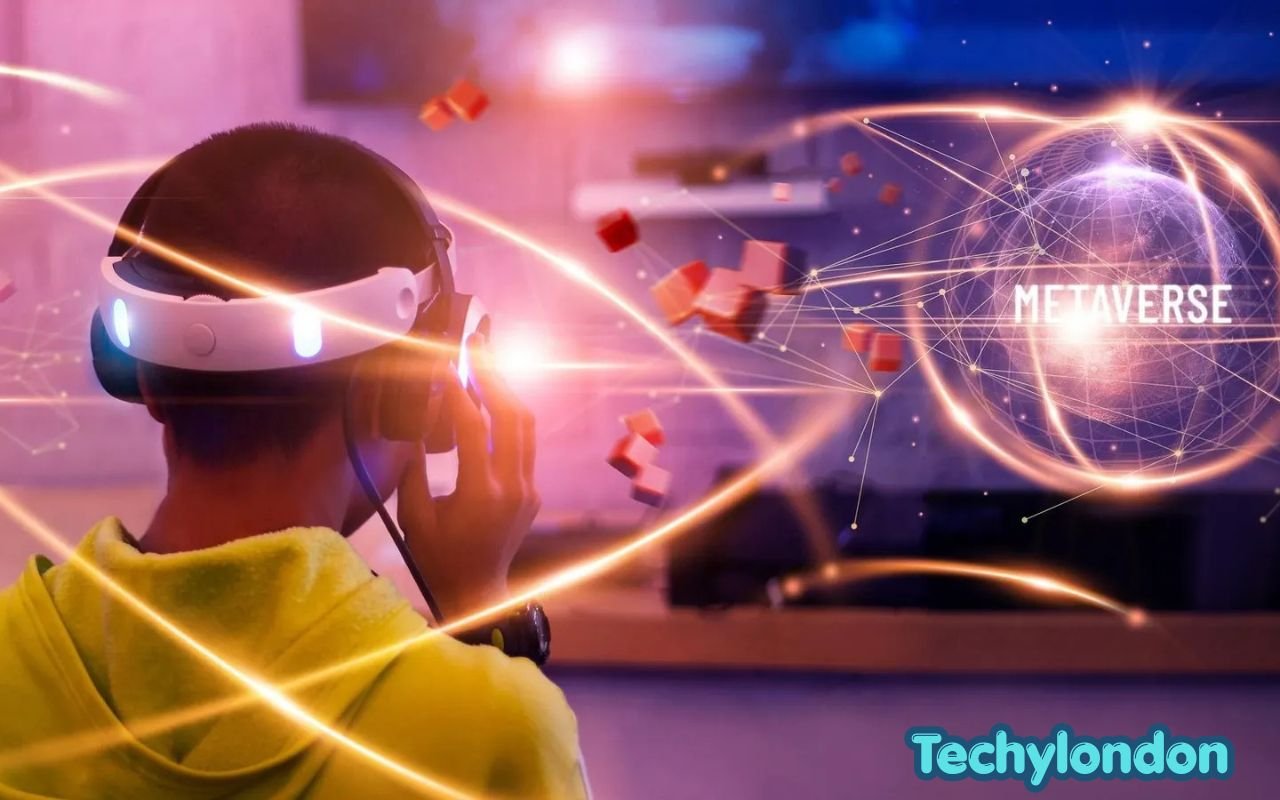
Virtual reality represents another major component of tgarchirvetech gaming trends.
VR technology allows players to enter fully immersive digital environments where they can interact naturally with virtual objects and characters. This level of immersion creates experiences that traditional gaming platforms cannot replicate.
Recent advancements in VR hardware have improved comfort, visual quality, tracking accuracy, and affordability. These improvements are encouraging wider adoption among consumers.
Game developers are creating increasingly sophisticated VR experiences that range from adventure games and simulations to educational applications and social environments.
The UK market has shown growing interest in virtual reality technology, particularly among younger audiences seeking more immersive entertainment experiences.
As hardware continues to evolve and costs become more accessible, VR is expected to become a mainstream component of the gaming industry.
Augmented Reality and Blended Experiences
Alongside virtual reality, augmented reality is playing an increasingly important role in tgarchirvetech gaming trends.
Unlike VR, which creates entirely digital environments, AR overlays digital content onto the real world. This creates unique opportunities for interactive gaming experiences that blend physical and virtual elements.
Smartphones have played a major role in popularising AR gaming. Players can interact with digital characters and objects while exploring real-world locations.
Future AR technologies may include advanced smart glasses and wearable devices capable of delivering highly immersive experiences without requiring bulky equipment.
The potential applications extend beyond entertainment. Educational games, fitness applications, tourism experiences, and social interactions may all benefit from AR integration.
This versatility makes augmented reality one of the most promising technologies within the future gaming landscape.
The Evolution of Mobile Gaming
Mobile gaming remains a dominant force within tgarchirvetech gaming trends.
Modern smartphones possess computing power that rivals older gaming consoles, allowing developers to create increasingly sophisticated mobile experiences.
The accessibility of mobile gaming has contributed significantly to the industry’s growth. Players can access games instantly without specialised equipment, making gaming more inclusive than ever before.
Mobile esports competitions are also becoming increasingly popular, attracting professional players and large audiences worldwide.
The introduction of 5G networks is further accelerating mobile gaming growth by reducing latency and improving streaming capabilities.
As mobile technology continues to advance, smartphones will remain one of the most important platforms within the gaming ecosystem.
Esports and Competitive Gaming Expansion
Esports has transformed from a niche activity into a global entertainment phenomenon.
Within tgarchirvetech gaming trends, competitive gaming represents one of the fastest-growing sectors. Professional tournaments now attract millions of viewers and offer prize pools worth millions of pounds.
The UK has become an active participant in the esports ecosystem, supporting professional teams, tournament organisers, and gaming communities.
Streaming platforms have contributed significantly to esports growth by allowing fans to watch live competitions from anywhere in the world.
Educational institutions are increasingly recognising esports as a legitimate activity, with some offering specialised programmes related to gaming and esports management.
As infrastructure and sponsorship opportunities continue to grow, esports is expected to become an even more influential part of the gaming industry.
Social Gaming and Community Building
Gaming has evolved into a highly social activity.
One of the key elements of tgarchirvetech gaming trends is the increasing emphasis on community engagement and social interaction.
Modern games often incorporate features that allow players to communicate, collaborate, and compete with friends regardless of geographic location.
Online communities contribute significantly to player retention and overall engagement. Developers recognise the importance of fostering positive social environments that encourage long-term participation.
Voice chat systems, live events, community challenges, and shared virtual spaces have become common features across many gaming platforms.
This social dimension transforms gaming from a solitary activity into a collaborative and interactive experience.
Cross-Platform Gaming and Accessibility
Cross-platform functionality has become a major priority within tgarchirvetech gaming trends.
Players increasingly expect the ability to interact with friends regardless of the device they use. Cross-platform gaming removes barriers between consoles, computers, and mobile devices.
This approach benefits both players and developers. Larger player pools improve matchmaking, strengthen communities, and increase game longevity.
Accessibility has also become an important consideration. Developers are implementing features designed to accommodate players with varying physical abilities and gaming preferences.
These improvements include customisable controls, visual aids, subtitles, audio adjustments, and adaptive hardware support.
The focus on inclusivity reflects the gaming industry’s commitment to reaching broader audiences.
Advanced Graphics and Realistic Environments
Visual quality continues to be a driving force behind tgarchirvetech gaming trends.
Modern graphics technologies enable developers to create highly realistic environments featuring detailed lighting, textures, and character models.
Ray tracing technology has significantly improved visual realism by simulating how light behaves in real-world environments.
Advancements in graphics processing units have allowed developers to create larger and more detailed game worlds while maintaining smooth performance.
These improvements enhance immersion and contribute to more engaging player experiences.
As hardware capabilities continue to advance, the line between digital environments and reality will become increasingly difficult to distinguish.
The Role of Blockchain in Gaming
Blockchain technology has emerged as an area of interest within tgarchirvetech gaming trends.
This technology offers new possibilities for digital ownership, secure transactions, and decentralised gaming ecosystems.
Players may gain greater control over virtual assets through blockchain-based systems. Digital items can potentially be bought, sold, and transferred across compatible platforms.
While blockchain gaming remains an evolving sector, developers continue exploring practical applications that enhance player experiences without compromising gameplay quality.
The long-term success of blockchain integration will depend on balancing innovation with user convenience and sustainability considerations.
Subscription Services and Gaming Libraries
Subscription-based gaming services have become increasingly popular.
Rather than purchasing individual games, many consumers now prefer access to extensive libraries through monthly subscriptions.
This shift aligns closely with broader tgarchirvetech gaming trends focused on convenience and accessibility.
Subscription models provide players with opportunities to explore a wider variety of games while reducing upfront costs.
For developers, these services offer additional distribution channels and opportunities to reach new audiences.
As consumer preferences continue to evolve, subscription services are expected to remain a major part of the gaming market.
Data Analytics and Personalised Experiences
Data analytics is becoming increasingly important within modern gaming ecosystems.
Developers use analytical tools to understand player behaviour, identify engagement patterns, and improve game design.
Within tgarchirvetech gaming trends, personalisation is emerging as a key focus area.
Gaming platforms can recommend content based on player preferences, playing habits, and previous interactions.
Personalised experiences increase engagement and help players discover content that aligns with their interests.
The responsible use of data analytics allows developers to create more enjoyable and user-centred gaming environments.
Sustainability in the Gaming Industry
Environmental sustainability is becoming an increasingly important consideration within tgarchirvetech gaming trends.
Gaming companies are exploring ways to reduce energy consumption, minimise electronic waste, and improve operational efficiency.
Cloud infrastructure providers are investing in greener technologies, while hardware manufacturers are developing more energy-efficient devices.
Consumers are also becoming more environmentally conscious, encouraging companies to adopt sustainable business practices.
As environmental concerns continue to influence technology industries, sustainability will likely become a key factor in future gaming development.
The Future of Game Development
The future of game development is closely connected to the broader themes represented by tgarchirvetech gaming trends.
Development tools are becoming more accessible, allowing smaller studios and independent creators to produce high-quality games.
Artificial intelligence is streamlining content creation, enabling developers to focus more on creativity and innovation.
Collaboration tools support remote development teams, making global partnerships increasingly common.
The combination of advanced technology and creative talent is expected to produce new genres, gameplay mechanics, and storytelling approaches.
Future games will likely offer deeper personalisation, enhanced immersion, and greater interactivity than ever before.
Opportunities for UK Businesses
The United Kingdom remains one of Europe’s most influential gaming markets.
Tgarchirvetech gaming trends create numerous opportunities for UK businesses operating within technology, entertainment, education, and digital services.
Gaming companies can leverage emerging technologies to develop innovative products and expand into international markets.
Educational institutions can prepare future professionals by offering specialised training programmes focused on game design, programming, esports management, and digital content creation.
Investors also recognise the long-term growth potential of the gaming sector, contributing to increased funding and innovation.
The UK’s strong technological infrastructure and creative talent pool position it well for continued success within the global gaming industry.
Challenges Facing the Industry
Despite its rapid growth, the gaming industry faces several challenges.
Cybersecurity remains a major concern as online gaming communities continue to expand. Protecting player data and maintaining secure environments require ongoing investment.
Market competition is becoming increasingly intense, making it difficult for new developers to gain visibility.
Balancing monetisation strategies with positive user experiences presents another challenge. Players expect fair pricing and transparent business practices.
Technological advancement also creates pressure for companies to continuously innovate.
Addressing these challenges will be essential for ensuring the sustainable growth of the gaming ecosystem.
Conclusion
Tgarchirvetech gaming trends represent the ongoing transformation of the gaming industry through technological innovation, enhanced accessibility, and evolving consumer expectations. From cloud gaming and artificial intelligence to virtual reality, esports, and advanced graphics, these developments are reshaping how people interact with digital entertainment.
The UK gaming market stands at the forefront of many of these changes, benefiting from strong technological infrastructure, creative talent, and growing consumer demand. As gaming continues to integrate with emerging technologies, opportunities for players, developers, businesses, and investors will continue to expand.
Understanding tgarchirvetech gaming trends provides valuable insight into where the industry is heading and how future innovations may influence gaming experiences. While challenges remain, the overall outlook for the gaming sector is exceptionally positive.
As technology advances and new possibilities emerge, gaming will continue evolving into a more immersive, connected, and personalised form of entertainment. Those who stay informed about these trends will be better positioned to understand and benefit from the exciting future of gaming.
You may also read: Key Features of Push YourDesignCom