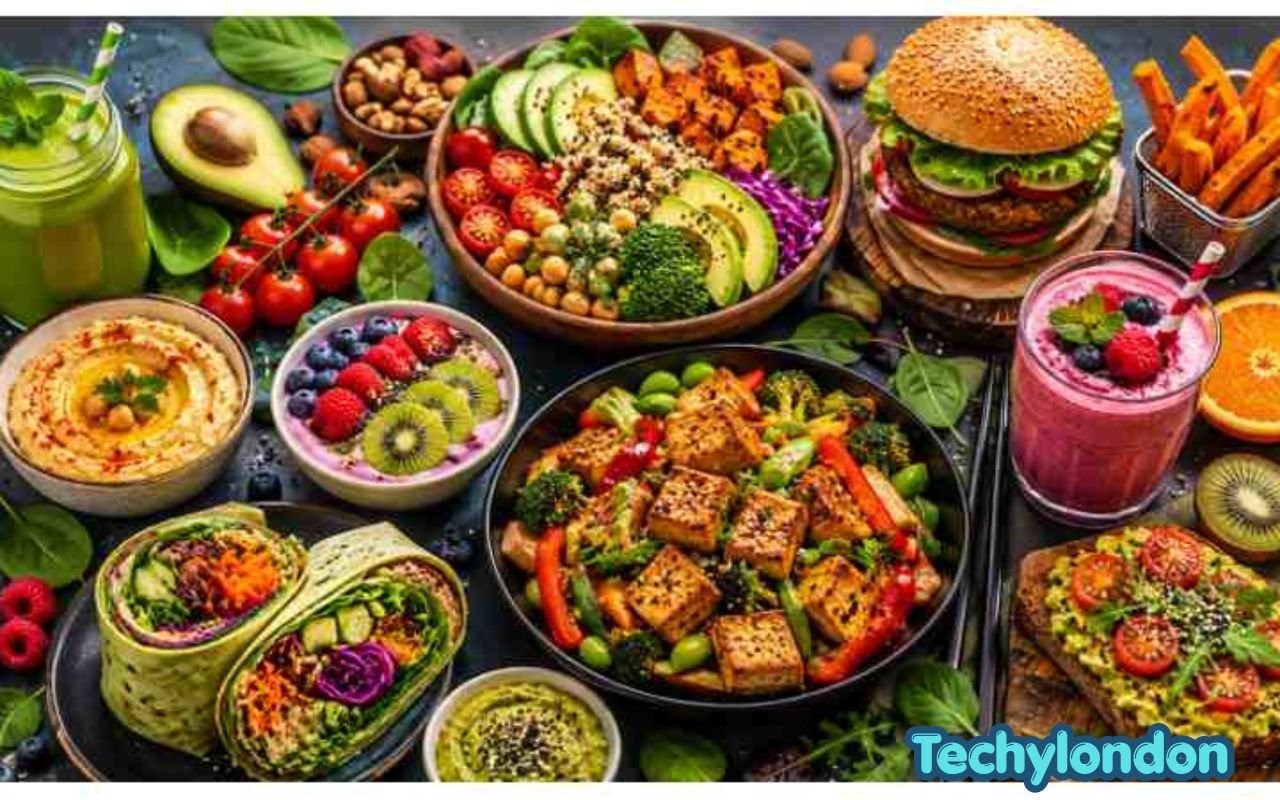
The food industry has undergone a remarkable transformation over the past decade. The rise of technology, changing consumer habits, social media influence, and growing awareness of health and sustainability have all reshaped the way people discover, order, prepare, and enjoy food. Within this evolving landscape, the topic of online food trends jalbiteblog has emerged as a valuable source of insight for food enthusiasts, businesses, content creators, and consumers who want to stay informed about the latest developments in digital food culture.
Understanding online food trends is no longer optional for restaurants, food bloggers, retailers, and food brands. Consumer preferences change rapidly, and digital platforms often become the first place where new food ideas gain popularity. From plant-based innovations and sustainable dining practices to viral recipes and food delivery technologies, online trends now influence purchasing decisions across the UK and beyond.
This comprehensive guide explores the concept of online food trends jalbiteblog, examining how digital food trends develop, why they matter, and what they reveal about the future of the food industry. Whether you are a food lover seeking inspiration or a business owner looking to adapt to changing consumer demands, understanding these trends can provide valuable knowledge and practical opportunities.
Understanding Online Food Trends Jalbiteblog
The term online food trends jalbiteblog refers to the analysis, discussion, and exploration of food-related developments that gain attention through digital channels. These trends often emerge from social media platforms, food blogs, online communities, restaurant innovations, and consumer behaviour studies.
Food trends today spread faster than ever before. A new recipe can become globally recognised within days. A unique ingredient can move from obscurity to supermarket shelves in a matter of months. Restaurants can attract thousands of customers simply because a dish becomes popular online.
Jalbiteblog represents the growing importance of digital food content as a source of education, inspiration, and market awareness. Through detailed coverage of emerging food movements, such platforms help readers understand what is shaping modern eating habits.
The significance of online food trends extends beyond entertainment. They influence agriculture, retail, hospitality, food manufacturing, and even government policy regarding nutrition and sustainability.
The Evolution of Digital Food Culture
Food culture has always evolved alongside society. However, the internet has accelerated this evolution significantly.
Before the rise of digital media, food trends were primarily influenced by television programmes, magazines, newspapers, and professional chefs. Information travelled relatively slowly, allowing trends to develop gradually over several years.
Today, digital platforms have changed this process entirely. Consumers can instantly access recipes, restaurant reviews, cooking tutorials, and nutritional information. Social media allows food enthusiasts to share discoveries in real time, creating powerful viral effects.
As a result, online food trends jalbiteblog often highlights developments that spread through digital ecosystems rather than traditional media channels. This shift has democratised food influence, allowing everyday users to shape food conversations alongside professional experts.
The digital era has also created greater transparency. Consumers can now research ingredients, sourcing practices, environmental impact, and nutritional values before making food choices. This increased awareness continues to drive many of the most significant food trends.
The Role of Social Media in Food Trends
Social media has become one of the strongest drivers of modern food trends.
Platforms such as Instagram, TikTok, Facebook, and YouTube have transformed food into highly visual content. Attractive presentation, unique ingredients, and creative recipes often attract significant attention and engagement.
Many trends discussed under online food trends jalbiteblog originate from social media communities. Viral recipes, innovative cooking methods, and emerging cuisines frequently gain momentum through user-generated content.
Food businesses now recognise the marketing power of social media. Restaurants design dishes specifically to encourage sharing. Brands collaborate with influencers to promote products. Food creators develop engaging content that combines education with entertainment.
The influence of social media extends beyond aesthetics. Consumers increasingly trust recommendations from creators, reviewers, and online communities. This trust can rapidly accelerate the adoption of new food trends.
In the UK, social media continues to influence dining decisions, grocery purchases, and cooking habits across all age groups.
Health-Conscious Eating as a Major Trend
One of the most important developments in online food trends jalbiteblog is the growing emphasis on health-conscious eating.
Consumers today are more informed about nutrition than ever before. They actively seek foods that support physical wellbeing, mental health, and long-term wellness. This shift has encouraged demand for healthier alternatives across multiple food categories.
Interest in whole foods, natural ingredients, and balanced diets continues to grow. Many consumers carefully examine ingredient labels and nutritional information before making purchasing decisions.
The popularity of high-protein foods reflects this trend. Protein-rich meals, snacks, and beverages are frequently featured across digital food platforms. Similarly, consumers increasingly seek foods that support energy, recovery, and satiety.
Functional foods have also gained significant attention. These products offer additional health benefits beyond basic nutrition, including digestive support, immune health, and cognitive performance.
As awareness continues to increase, health-focused innovations remain a central topic within online food trends jalbiteblog.
Plant-Based Food Innovation
Plant-based eating has evolved from a niche lifestyle choice into a mainstream food movement.
Consumers across the UK increasingly explore plant-based options for health, ethical, and environmental reasons. This growing demand has encouraged significant innovation throughout the food industry.
Restaurants now offer extensive plant-based menus. Supermarkets continue expanding their selection of meat alternatives, dairy-free products, and vegan ready meals. Food manufacturers invest heavily in developing products that closely replicate traditional animal-based foods.
Online food trends jalbiteblog frequently examines how plant-based innovation is reshaping consumer preferences. The focus is no longer solely on vegans. Flexitarian consumers, who occasionally replace animal products with plant-based alternatives, now represent a substantial market segment.
Advancements in food technology continue to improve taste, texture, and nutritional value, making plant-based foods increasingly appealing to broader audiences.
The long-term growth potential of this sector remains significant as sustainability concerns continue to influence purchasing decisions.
Sustainable Food Practices
Sustainability has become one of the defining themes of modern food culture.
Consumers increasingly recognise the environmental impact of food production, transportation, packaging, and waste. This awareness has encouraged businesses to adopt more sustainable practices.
Online food trends jalbiteblog regularly highlights developments related to sustainable sourcing, regenerative agriculture, eco-friendly packaging, and waste reduction initiatives.
Many UK consumers now prefer brands that demonstrate environmental responsibility. Transparency regarding sourcing practices has become particularly important.
Local food production continues to gain popularity. Consumers appreciate the reduced environmental footprint associated with locally sourced ingredients while also supporting regional economies.
Food waste reduction remains another major area of focus. Innovative technologies, improved supply chain management, and consumer education initiatives are helping address this challenge.
As climate concerns continue to grow, sustainability will likely remain a dominant influence on food trends for years to come.
The Growth of Food Delivery Services
Food delivery services have transformed the dining experience.
Consumers increasingly value convenience, flexibility, and speed. Online ordering platforms have responded by creating seamless digital experiences that allow users to access diverse food options from their homes.
The expansion of food delivery services represents a recurring topic within online food trends jalbiteblog. Digital ordering has fundamentally changed how restaurants operate and how consumers interact with food businesses.
Ghost kitchens have emerged as a notable innovation. These facilities focus exclusively on delivery operations, eliminating the need for traditional dining spaces.
Technology continues to enhance delivery efficiency through route optimisation, automated systems, and real-time tracking features.
The convenience economy shows no signs of slowing down. As consumer expectations evolve, food delivery platforms will likely continue introducing new features and services.
Personalised Nutrition and Food Technology
Advancements in technology have enabled increasingly personalised approaches to nutrition.
Consumers now have access to apps, wearable devices, and digital tools that provide customised dietary recommendations. These technologies help individuals make informed decisions based on their unique health goals and lifestyle requirements.
Online food trends jalbiteblog often explores how personalised nutrition is changing consumer behaviour. Rather than following generic dietary advice, many people now seek tailored guidance that aligns with their individual needs.
Artificial intelligence plays an increasingly important role in this area. Algorithms can analyse dietary habits, health data, and personal preferences to generate recommendations.
Food technology innovations continue expanding possibilities for personalisation. Smart kitchen devices, nutrition tracking platforms, and meal planning applications contribute to a more customised food experience.
This trend reflects the broader movement toward consumer empowerment and data-driven decision-making.
Global Cuisine and Cultural Exploration
Digital connectivity has increased exposure to international cuisines.
Consumers today have unprecedented access to culinary traditions from around the world. Food blogs, social media content, and online cooking tutorials encourage cultural exploration through food.
Online food trends jalbiteblog frequently highlights emerging global flavours and regional specialities that gain popularity among UK audiences.
Interest in authentic culinary experiences continues to grow. Consumers increasingly seek traditional recipes, unique ingredients, and culturally rich dining opportunities.
Fusion cuisine represents another significant trend. Chefs creatively combine influences from multiple culinary traditions, producing innovative dishes that appeal to adventurous diners.
The growing appreciation for diverse cuisines reflects broader cultural openness and global interconnectedness.
The Rise of Home Cooking Content
Home cooking experienced renewed popularity as digital content made culinary education more accessible.
Online tutorials, recipe blogs, video demonstrations, and cooking communities have empowered individuals to develop their culinary skills. Consumers can learn techniques, experiment with ingredients, and recreate restaurant-quality meals from home.
Online food trends jalbiteblog often explores how digital education influences cooking behaviour. Home cooks increasingly rely on online resources for inspiration and guidance.
Meal preparation content has become especially popular. Busy consumers seek practical strategies for saving time while maintaining healthy eating habits.
Interactive cooking experiences continue to evolve. Live streams, virtual classes, and community-driven challenges create engaging opportunities for learning and participation.
The accessibility of online cooking content has significantly expanded culinary knowledge among consumers.
Food Influencers and Digital Communities
Food influencers play a major role in shaping consumer preferences.
These creators build loyal audiences by sharing recipes, restaurant reviews, nutritional advice, and food-related experiences. Their recommendations often influence purchasing decisions and dining choices.
Online food trends jalbiteblog frequently examines how influencers contribute to trend development. Their ability to reach large audiences quickly makes them valuable partners for food brands and hospitality businesses.
Digital food communities also foster meaningful engagement. Consumers share experiences, exchange ideas, and discuss emerging trends within online forums and social platforms.
The collective influence of these communities creates powerful momentum behind successful food movements.
As digital engagement continues to grow, influencer marketing will remain a significant force within the food industry.
Emerging Food Technologies
Technological innovation continues reshaping food production and consumption.
Automation, artificial intelligence, and advanced manufacturing techniques are creating new possibilities across the food sector. These developments improve efficiency, reduce waste, and support product innovation.
Online food trends jalbiteblog often explores emerging technologies that may influence future food systems.
Alternative protein production represents a particularly exciting area. Advances in food science have enabled the development of innovative protein sources designed to address sustainability and nutritional challenges.
Smart packaging technologies improve food safety and freshness monitoring. Digital tracking systems enhance supply chain transparency and efficiency.
The integration of technology throughout the food ecosystem reflects the industry’s ongoing commitment to innovation and adaptation.
Consumer Behaviour in the UK Food Market
Understanding consumer behaviour is essential for identifying successful food trends.
UK consumers increasingly prioritise convenience, health, sustainability, and value. These preferences shape purchasing decisions across restaurants, supermarkets, and online platforms.
Online food trends jalbiteblog provides valuable insights into how these factors influence market developments.
Generational differences also play an important role. Younger consumers often embrace digital experiences, global flavours, and sustainability initiatives more readily. Older demographics may prioritise quality, tradition, and reliability.
Economic conditions can further influence food choices. Consumers adjust spending patterns in response to inflation, income changes, and broader market conditions.
Businesses that understand these behavioural patterns are better positioned to respond effectively to evolving demands.
How Businesses Can Benefit from Online Food Trends
Monitoring online food trends offers significant advantages for food businesses.
Companies that stay informed can identify emerging opportunities before competitors. Early adoption of promising trends may improve customer engagement, brand visibility, and revenue growth.
Online food trends jalbiteblog serves as a valuable resource for understanding changing consumer expectations.
Restaurants can adapt menus to reflect evolving preferences. Retailers can optimise product selections based on demand patterns. Food manufacturers can develop innovative offerings aligned with market interests.
Digital marketing strategies also benefit from trend awareness. Businesses can create relevant content, engage target audiences, and strengthen brand positioning.
Success often depends on balancing innovation with authenticity. Consumers appreciate businesses that embrace trends while maintaining consistent quality and brand identity.
Challenges Associated with Food Trends
While food trends create opportunities, they also present challenges.
Not every trend achieves long-term success. Some gain rapid popularity before quickly fading. Businesses must carefully evaluate whether a trend aligns with their objectives and customer base.
Online food trends jalbiteblog often highlights the importance of distinguishing between temporary fads and meaningful shifts in consumer behaviour.
Trend fatigue can occur when consumers become overwhelmed by constant innovation. Excessive focus on novelty may distract from core product quality.
Misinformation presents another concern. Viral content sometimes promotes inaccurate nutritional claims or unrealistic expectations.
Businesses must therefore combine trend awareness with critical analysis and evidence-based decision-making.
The Future of Online Food Trends Jalbiteblog
The future of digital food culture appears highly dynamic and innovative.
Several developments are likely to shape the next phase of online food trends jalbiteblog. Continued technological advancement will create new opportunities for personalisation, convenience, and sustainability.
Artificial intelligence may play a larger role in recipe development, menu planning, and consumer recommendations. Data analytics will provide deeper insights into evolving preferences.
Environmental concerns will continue influencing purchasing decisions and business strategies. Sustainable production methods are expected to become increasingly important.
Health and wellness trends will likely remain central themes. Consumers will continue seeking foods that support overall wellbeing while fitting modern lifestyles.
Digital platforms will further expand opportunities for culinary education, community engagement, and cultural exploration.
The convergence of technology, sustainability, and consumer empowerment will define the future of food innovation.
Conclusion
The world of online food trends jalbiteblog provides a fascinating window into the rapidly evolving relationship between food, technology, and consumer behaviour. As digital platforms continue transforming how people discover, discuss, and consume food, staying informed about emerging trends has become increasingly valuable.
From plant-based innovation and sustainable dining practices to personalised nutrition and food delivery technology, modern food trends reflect broader societal changes. These developments influence not only individual choices but also the strategies of businesses operating throughout the food industry.
For UK consumers, understanding online food trends offers practical benefits, including improved awareness of health-conscious options, sustainable practices, and culinary innovations. For businesses, trend analysis provides valuable insights that support growth, competitiveness, and customer engagement.
As technology advances and consumer expectations continue evolving, the importance of platforms focused on online food trends jalbiteblog will only increase. Those who remain informed, adaptable, and responsive to change will be best positioned to thrive in the future of digital food culture.
You may also read: The Evolution of Zvodeps